Fall Love Bug Season Is Coming — What Brevard Drivers Should Know
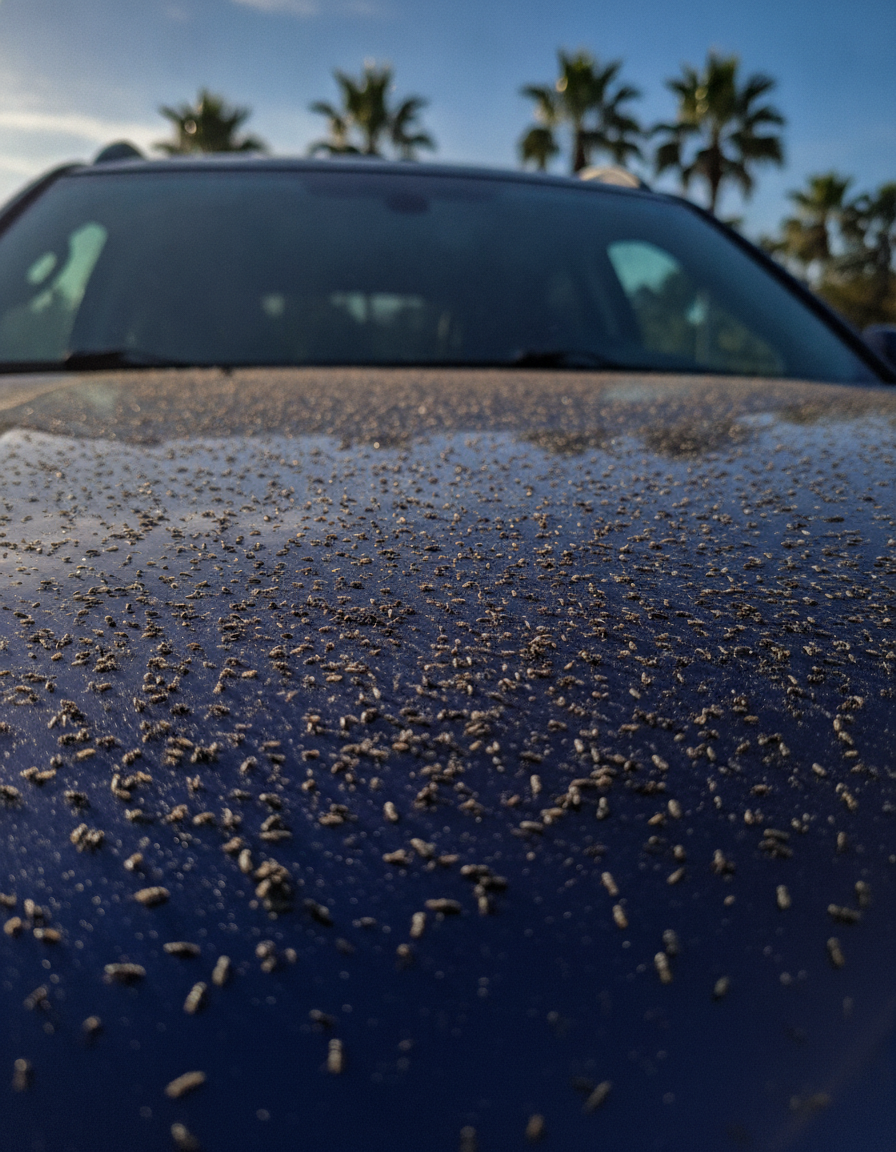
If you made it through May without your hood turning into a bug cemetery, enjoy the break — because the fall wave is on its way. Love bug season in Brevard County typically runs from late August into September, and if you’ve commuted along US-1 or the Beachline during a previous fall swarm, you already know what the front of your car looks like. The good news is there’s a short window right now to prepare, and a little attention before peak season saves your paint later.
Why Love Bugs Show Up Twice a Year
Love bugs (Plecia nearctica) are a species of march fly that emerges in two waves each year — late spring (April through May) and late summer (August through September). Florida’s warm, humid climate and abundant decomposing organic matter make the Space Coast ideal territory. They tend to swarm near highways and warm pavement because they’re attracted to heat and exhaust fumes, which is exactly why the front of your car takes the worst of it.
The swarms peak mid-morning through early afternoon on warm, sunny days. Our regular August afternoon thunderstorms can push them down temporarily, but the bugs are still out there and the season runs several weeks regardless.
The Real Problem: What Their Bodies Do to Paint
Love bugs themselves aren’t the issue — it’s what happens when they sit on your paint in the Florida heat. Their bodies contain fatty acids that become increasingly acidic as they decompose, and summer temperatures accelerate that breakdown fast. Within 24 to 48 hours on a hot hood, that residue starts to etch into your clear coat.
The hood, front bumper, and grille take the most damage because that’s where airflow strikes first. Dark-colored vehicles make the splatter more visible, but the chemistry is hard on any paint regardless of color. If you wait until the weekend to wash it off, you may be removing the bugs but leaving behind etched marks that a regular wash can’t touch.
The Right Way to Remove Them
The biggest mistake people make is scraping dried love bugs off dry paint. Even though they’re soft when fresh, dried splatter turns brittle and can scratch your clear coat on the way off. The fix is to soak first. Saturate the affected area with warm soapy water and let it dwell for a few minutes before wiping with a soft microfiber cloth or a dedicated bug sponge.
There are also bug remover sprays at most auto parts stores that are formulated to break down the proteins without stripping your wax. After removal, rinse thoroughly — especially around the grille, where bugs pack into crevices and dry in pockets you can’t see. During the worst weeks of the swarm, a quick rinse every day or two makes a real difference.
How Wax and Sealant Help
A fresh coat of wax or paint sealant acts as a sacrificial layer between bug residue and your clear coat. The acids still get to work, but they’re attacking the wax rather than your paint — which gives you more time before damage sets in. If you haven’t waxed since spring, the weeks before the fall emergence are a practical time to do it.
It won’t make removal effortless, but it meaningfully extends the window you have to wash before etching starts. Vehicles with a paint sealant can often go a day or two longer between washes without the same level of damage.
Don’t Forget the Grille and Wiper Blades
Bugs that pack into grille slats don’t rinse out easily — a soft detailing brush helps work them loose without scratching. The windshield is usually manageable with washer fluid, but the wiper blades themselves accumulate bug residue that smears across the glass on the next wipe. A quick pass of the blade with a damp cloth after a heavy-swarm drive keeps your visibility clear.
How Long the Season Lasts
The fall emergence in Brevard typically winds down by mid to late September. By then, the worst is behind you until next May. But during those active weeks, the combination of heat and bug acidity is hard on unprotected paint — especially on vehicles that sit outside all day in Melbourne, Palm Bay, or anywhere near the coast where the sun has no mercy.
Stock up on wash supplies before the swarm kicks into gear. A microfiber mitt, a decent car soap, and a spray bottle of bug remover are all you need. The Space Coast tests your car finish twice a year — fall is the second round, and it’s easier to handle when you’re ready for it.